As machine components move, microscopic asperities on the metal surface can weld the contacting areas together. This process is called adhesive wear — and it is one of the main causes of engine and gearbox failure.
How it works
At the molecular level, no metal surface is perfectly smooth. Between two sliding components there are always points of direct contact. Under high pressure and temperature, the metals weld together locally at those points. As the components continue to move, these micro-welds tear apart — and metal is torn out of the surface.
The role of the lubricant
A quality oil forms a film between the surfaces that prevents metal-to-metal contact. When loads exceed the capability of hydrodynamic lubrication, anti-wear additives (ZDDP, boron, molybdenum) come into play — forming a chemical film directly on the metal surface.
What matters when choosing
- An oil with the right viscosity (too thin and the film will not hold, too thick and it will not reach the contact points at cold start)
- A modern anti-wear additive package
- The correct API/ACEA category for the engine
Prevention
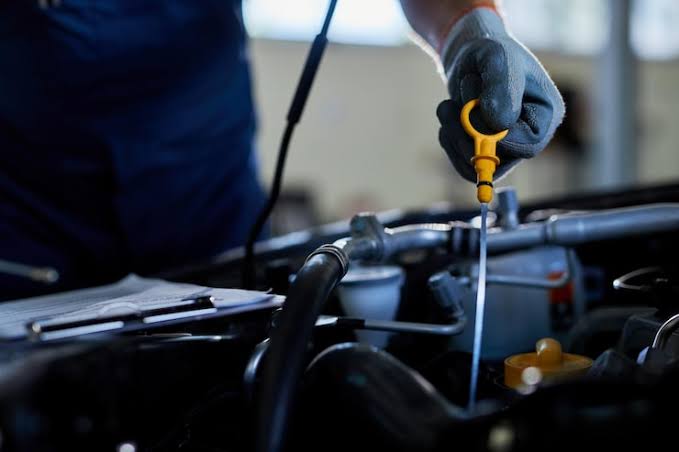
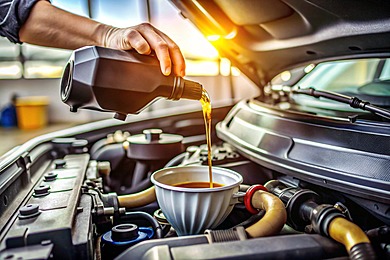
Regular oil changes, genuine filters and warming the engine before applying load are the foundation of a long service life for any engine.
In the Krüger catalogue you will find motor oils for every engine type and operating condition.